Featured
3 Simple Techniques For Questions You Must Ask a Bankruptcy Counseling Organization
Table of Contents
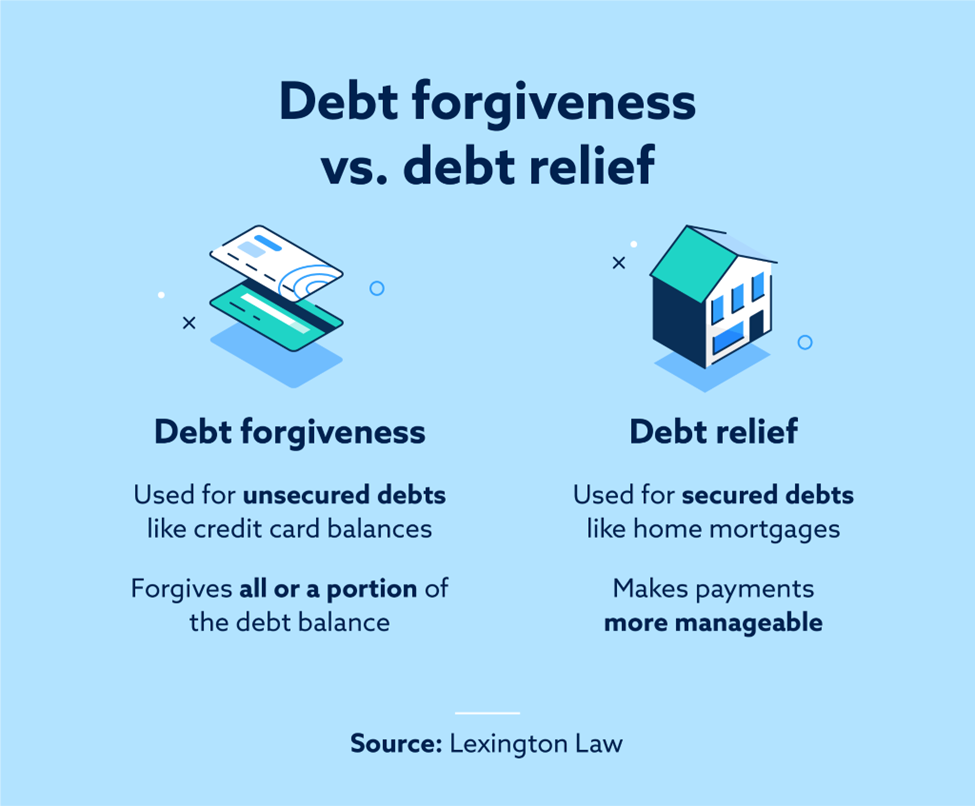
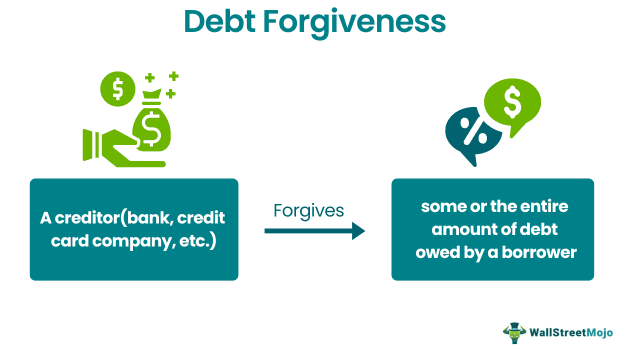
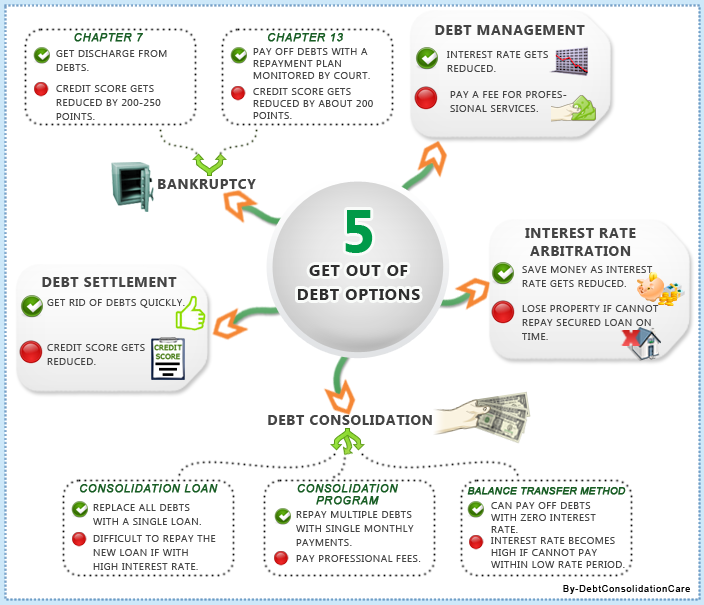
That releases up cash in the short term, and you might have 3 to 4 years to save toward the settlement amount. Extremely hazardous to credit report, primarily because of missed out on settlements and an adverse "resolved" mark that might remain on your credit score report for up to 7 yearsMay be just option if various other choices (financial obligation consolidation, balance transfer charge card, debt mercy) aren't possibleTypically requires a charge to the 3rd celebration, which could offset some or every one of the financial savings from financial debt settlementMay assist you stay clear of insolvency if you have actually missed out on a number of paymentsNot all lenders work with debt settlement business Financial debt mercy might be appropriate for you if you are experiencing a financial difficulty that makes it virtually impossible to pay for your financial obligation equilibriums.
With a DMP, you make one regular monthly settlement to the credit report counseling firm. Those funds are then dispersed to financial institutions of your unprotected debts, such as debt cards and installment loans. The firm deals with your financial institutions to lower rate of interest or forgo costs, yet some creditors may refuse such concessions.
A financial debt loan consolidation financing combines your qualified debts into one brand-new finance. It can aid you pay down debt if you're able to safeguard a loan rate that's reduced than the ordinary rate of the accounts you're consolidating. However, you should avoid from acquiring financial debt on those recently gotten rid of accounts or your financial obligation can expand also greater.

That gives you lots of time to remove or substantially minimize your equilibrium while making interest-free settlements.
Top Guidelines Of The Truth About The Role of Mental Health in Financial Stress & How to Cope in Uncertain Times
You may need it if your creditor or a collection agency ever tries to accumulate on the debt in the future. When a loan provider forgives $600 or more, they are needed to send you Type 1099-C.
Financial obligation mercy or negotiation usually hurts your credit history. Anytime you settle a debt for less than you owe, it may look like "worked out" on your credit history record and affect your credit rating for seven years from the date of negotiation. Your credit report can also drop considerably in the months bring about the forgiveness if you fall behind on repayments.
A Biased View of Chapter 13 Fundamentals Before You Decide
Tax obligation financial obligation compromise programs Tax debt takes place when the quantity of tax obligations you owe surpasses what you have actually paid. This scenario commonly arises from underreporting revenue, not submitting returns on time, or inconsistencies located throughout an IRS audit. The repercussions of collecting tax obligation debt are severe and can consist of tax obligation liens, which offer the IRS a lawful insurance claim to your property as protection for the debt.
Wages and Bank Accounts Internal revenue service can levy (seize) incomes and bank accounts to satisfy the financial obligation. Building Seizure In severe cases, the Internal revenue service can confiscate and offer building to cover the financial debt.
Social Preconception Encountering legal action from the IRS can carry social stigma. Employment Opportunities An inadequate credit rating due to tax financial obligation can limit work chances. Federal government Advantages Tax debt may impact eligibility for federal government advantages, such as Social Safety and Medicaid.
Indicators on Their Team Philosophy with Families You Need To Know
The OIC takes into consideration a number of variables, including the taxpayer's income, costs, possession equity, and capacity to pay. Successfully bargaining an OIC can be intricate, calling for an extensive understanding of the IRS's standards and a strong argument for why your deal lines up with your ability to pay. It is essential to keep in mind that not all applications are approved, and the process needs comprehensive economic disclosure.
The internal revenue service assesses your overall financial circumstance, including your revenue, expenses, asset equity, and ability to pay. You should also be present with all declaring and settlement demands and not be in an open bankruptcy proceeding. The IRS likewise considers your conformity background, reviewing whether you have a record of timely declaring and paying tax obligations in previous years.
The 10-Second Trick For How to Never Repeat Additional Debt Traps After Your Fresh Start
The application process for an Offer in Compromise includes numerous comprehensive steps. First, you have to complete and submit IRS Kind 656, the Deal in Compromise application, and Kind 433-A (OIC), a collection info statement for individuals. These types require thorough economic details, including information concerning your earnings, debts, expenses, and properties.
Back tax obligations, which are unpaid taxes from previous years, can substantially boost your complete internal revenue service financial debt otherwise addressed without delay. This financial debt can accrue interest and late payment charges, making the original quantity owed much bigger over time. Failure to repay tax obligations can cause the internal revenue service taking enforcement activities, such as releasing a tax obligation lien or levy against your residential or commercial property.
It is very important to deal with back taxes asap, either by paying the total owed or by preparing a settlement plan with the IRS. By taking aggressive actions, you can stay clear of the accumulation of additional rate of interest and fines, and avoid a lot more aggressive collection activities by the internal revenue service.
One usual factor is the idea that the taxpayer can pay the total either as a round figure or via a layaway plan. The internal revenue service likewise takes into consideration the taxpayer's income, expenditures, asset equity, and future earning capacity. If these aspects suggest that the taxpayer can afford to pay greater than the provided amount, the internal revenue service is most likely to reject the offer.
The Definitive Guide for Legal Changes That Will Change Bankruptcy Options
Dealing with Internal revenue service financial debt can be intricate and complicated. Tax professionals, such as Certified public accountants, tax obligation attorneys, or registered representatives, can offer very useful help.

Table of Contents
Latest Posts

Excitement About Chapter 13 Essentials and Requirements
The Ultimate Guide To Knowing Your Rights Concerning What to Expect in a Housing Counseling Session If You’re Facing Foreclosure

Some Known Facts About Chapter 13 Essentials and Eligibility.
More
Latest Posts
Excitement About Chapter 13 Essentials and Requirements
The Ultimate Guide To Knowing Your Rights Concerning What to Expect in a Housing Counseling Session If You’re Facing Foreclosure
Some Known Facts About Chapter 13 Essentials and Eligibility.